
slab restoration
Marble dullness
What Is marble dullness?
Marble dullness is a condition that affects the appearance of the surface, reducing its visual depth, colour uniformity, and overall aesthetic quality. When it occurs, the material looks flat, uneven, and less compact, preventing the marble from fully expressing its natural beauty and value.
When this occurs, restoring the material’s natural brightness properly requires the expertise of professionals who truly understand marble, its structure, and the underlying cause of the problem, and who can apply the right treatment method. In these cases, only experience can deliver a balanced, natural-looking, and long-lasting result.
How to identify marble dullness
As noted at the beginning of the article, marble dullness occurs when the surface loses its natural sense of visual depth and fullness, taking on a flatter, less uniform, and less refined appearance. The marble may look washed out, with areas that lack the same intensity as the rest of the slab or cladding, creating an overall impression of reduced material richness that detracts from the surface as a whole.
Identifying this defect requires close attention to detail and a thorough understanding of the material. The most common signs include inconsistencies in the finish, a loss of visual uniformity, areas that appear noticeably weaker, and reduced harmony between the colour and the way the surface reflects light. In high-end settings, even a relatively subtle variation can have a significant impact on the final result.
Causes of marble dullness
Safety is not just a legal requirement; it is an integral part of the way we work.
Marble dullness can have several causes and is often the result of a combination of factors rather than a single issue. In some cases, it is related to the nature of the stone, its composition, or specific surface characteristics. In others, it may be caused by previous workmanship, improperly executed treatments, or restoration processes that have altered the marble’s original balance.
Time, wear, and improper maintenance can also contribute to marble dullness. Harsh cleaning products, unsuitable chemicals, inappropriate finishes, or treatments carried out without a thorough technical assessment can diminish the stone’s appearance. For this reason, it is essential to look beyond the visible surface, evaluate the material in its overall context, and accurately identify the underlying cause of the problem.
Marble dullness and loss of visual uniformity
One of the most noticeable effects of marble dullness is the loss of visual harmony. The material no longer conveys a sense of compactness and continuity, and the overall surface appears less refined, less cohesive, and less aesthetically pleasing. This can affect both small areas and larger applications such as floors, cladding, and architectural features, where marble is expected to express prestige, consistency, and material depth.
When marble dullness affects the overall visual impact, the perceived value of the finished piece also changes. The surface may appear less refined and less effectively enhanced. This is precisely where professional treatment can make a difference, as it does not simply conceal the defect but aims to restore a more balanced, harmonious appearance that remains faithful to the natural characteristics of the stone.
How to treat marble dullness: the restoration process
To treat marble dullness effectively, the first step is always a careful assessment of the surface. It is essential to determine whether the issue affects only the finish, whether there is a loss of visual compactness, whether microvoids, roughness, or other surface irregularities are present, or whether a combined treatment is required at different levels. Only after this analysis can the most suitable restoration method be identified.
The next stage is surface preparation. Before any restoration work begins, the marble is carefully prepared to ensure the treatment can be carried out with precision and control, creating the right foundation for the subsequent restoration steps.
The process then moves to its central stage: localised filling. When marble dullness is associated with small areas of material loss, porosity, or defects that diminish the stone’s visual appearance, a suitable filler is applied to the affected areas. The products and application method are selected according to the type of marble and the specific issue to be addressed.
Once the filler has been applied, any excess material is carefully removed. This step ensures the surface is clean and properly prepared for the finishing phase, without build-ups or irregularities that could affect the final result.
The next stage is the final aesthetic rebalancing treatment. Depending on the desired result, the process may be completed with specific treatments designed to revitalise the marble, enhance its colours, and restore greater visual continuity across the surface. This step helps the material appear richer, more uniform, and more harmonious.
This is followed by the drying and stabilisation period. This stage is equally important, as it allows the applied products to perform correctly and the surface to achieve a stable, consistent finish.
In some cases, an additional stage may be required to refine the geometry or edges of the stone. If the issue affects not only the visual appearance but also the regularity of the slab, corrective work can be carried out to restore straightness and precision.
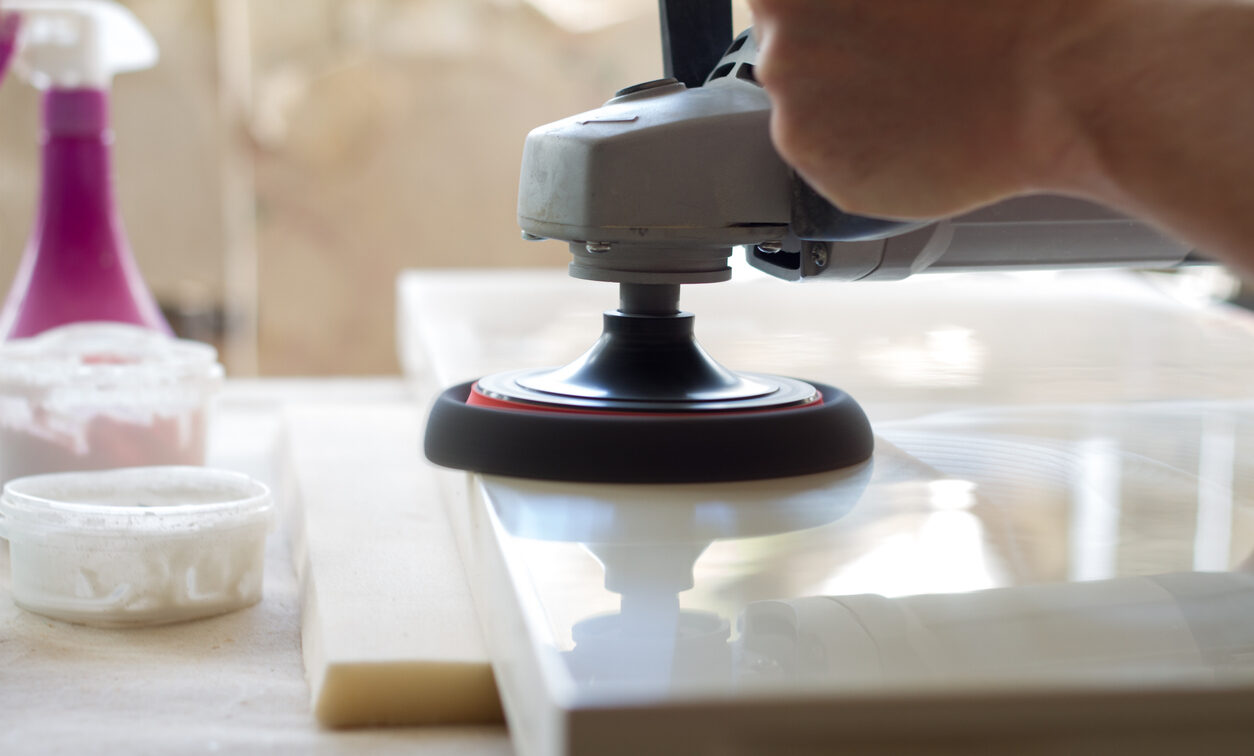
When marble dullness affects surfaces that have already been installed, such as floors or cladding, the process may also include honing or polishing. These treatments help improve the overall appearance and bring out the surface’s natural qualities once again.
In the most delicate cases, every step must be carried out with the utmost precision, as marble does not respond well to standard, one-size-fits-all solutions.

Marble dullness: why experience matters
Marble dullness should never be treated with a generic approach. Every surface has its own history, structure, and response to treatment. This is why the process requires the trained eye of a specialist who can understand the material, assess its restoration potential, and select the most appropriate treatment for the desired result. True expertise lies in combining craftsmanship, technical method, and precision at every stage.
When marble shows aesthetic imperfections, an improvised approach can make the problem worse rather than correct it. By contrast, treatment carried out by experienced professionals allows each step to be approached with care, respecting the stone and enhancing the surface without forcing the result. The difference between an approximate outcome and a convincing one often lies in the skill of the person carrying out the work.
Marble dullness and the importance of proper restoration
Treating marble dullness properly means protecting not only the appearance of the surface but also the overall value of the finished work. A correct restoration restores visual consistency, improves the perception of the material, and helps return the marble to a richer, cleaner, and more harmonious appearance.
Using the right method also helps avoid arbitrary corrections or treatments that are unsuitable for the nature of the stone. With a prestigious material such as marble, every decision must be carefully considered: experience, a thorough understanding of the surface, and a clear vision of the desired result are essential. Only then can the marble regain its visual integrity, balance, and a presence that truly reflects the quality of its setting.
Marble dullness: why choose us
Addressing marble dullness requires more than a simple restoration process. It calls for expertise built over time, in-depth knowledge of the material, and the ability to work with precision and care. The value of an experienced specialist is reflected in the quality of the assessment, the accuracy of the restoration method, and the attention given to every detail of the surface.
Choosing a specialist means relying on skilled craftsmanship, technical expertise, meticulous execution, targeted restoration techniques, and a genuine ability to enhance marble without altering its natural character. When the issue concerns the material’s aesthetic balance, a well-planned restoration provides what matters most from the very beginning: reliability, expertise, and results you can trust.
When marble dullness alters the appearance of the surface, the right treatment can make the difference between a simple attempt at correction and a truly effective restoration. Contact us to assess the condition of your marble and identify the most suitable treatment to restore its visual balance and value.
For more information contact us at +39 335 12 64 733